

5 Critical Mistakes to Avoid When Planning Your Off-Grid Solar System in Arizona
By Steve Ulman, Arizona Off-Grid Solutions
After three years of designing custom solar grids across Arizona, Nevada, and Colorado—from remote desert homesteads to mountain properties—I've seen what separates a thriving off-grid system from a costly disaster. Just recently, a customer in Colorado searched far and wide to find someone who truly understands off-grid solar, not just the on-grid panel installations that most solar companies specialize in.
Whether you're building on raw land or upgrading an existing property, these five mistakes can cost you thousands of dollars and countless headaches.
Let me save you the trouble I went through when I first started. (Trust me, sleeping in a car hauler in extreme weather teaches you things the hard way.)
1. Undersizing Your Battery Bank
This is the #1 mistake I see with DIY solar installations and even some "professional" installs. People calculate their daily energy needs, buy just enough batteries to cover it, and then wonder why their system dies during cloudy weather or high-demand days.
The Reality: Arizona might be the sunniest state, but monsoon season, winter storms, and dust storms WILL reduce your solar production. Your battery bank isn't just for one day—it needs to carry you through 3-5 days of low sun.
What We Recommend: Calculate your daily usage, multiply by 4-5 days, and size your battery bank accordingly. Yes, batteries are expensive, but replacing an undersized system costs even more. The good news? You don't have to buy everything at once—you can start with your baseline needs and add battery capacity as your budget allows and your needs grow.
2. Ignoring Arizona's Extreme Temperature Swings
People move here for the sunshine and quickly learn that Arizona doesn't do "mild." We're talking 115°F summer days and below-freezing winter nights in higher elevations.
Why This Matters for Solar: Battery performance drops significantly in extreme heat and cold. Lithium batteries perform better in heat than lead-acid, but they still need proper ventilation and ideally climate-controlled housing. In winter, frozen batteries can't charge or discharge effectively.
Our Solution: We design battery enclosures with proper ventilation, shade structures, and sometimes insulation depending on your location. Your batteries should be protected like the expensive investment they are.
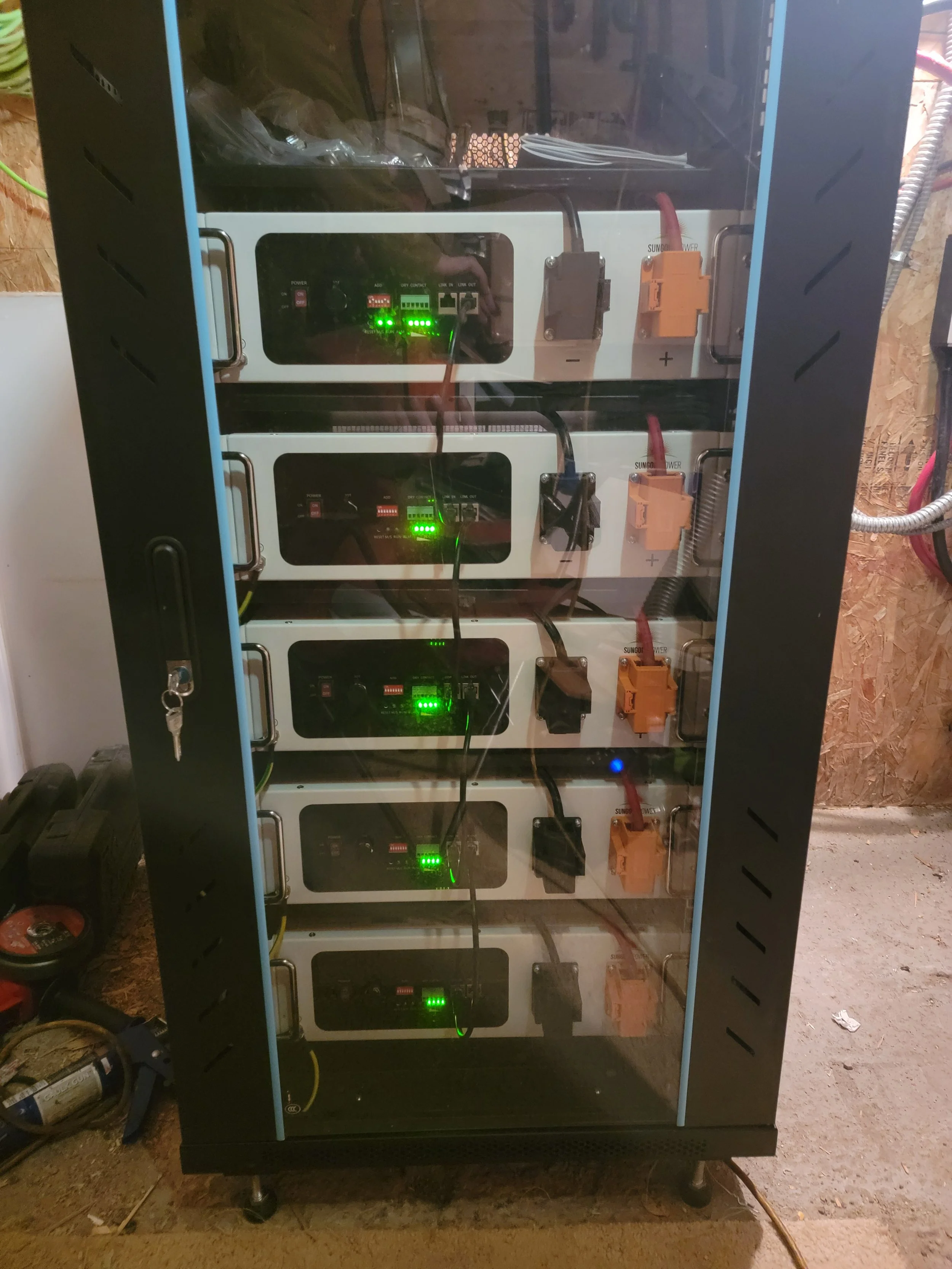
Battery Enclosure with Cooler
3. Choosing the Wrong Solar Panel Mounting System
Arizona's beauty comes with challenges: intense UV exposure, monsoon winds up to 75+ mph, and occasional hail. A cheap mounting system might save you $500 to a few thousand dollars upfront—and honestly, most people have no idea what it truly costs to do this properly—but when monsoon season hits and your panels end up as expensive scrap metal, that savings evaporates fast.
The Right Way: Use commercial-grade mounting systems designed for high-wind areas. We anchor our systems to handle winds beyond code requirements because out here, Mother Nature doesn't follow building codes.
Ground Mount Advantages: Ground-mounted systems are easier to maintain (no climbing on roofs in 115-degree heat), and we can angle them properly for optimum year-round sunlight production. Plus, you don't have to worry about your roof pitch being perfectly south-facing or structurally suitable for heavy solar arrays. And they're definitely safer when Ghost and Phantom are patrolling the property.
4. Failing to Account for Phantom Loads
No, I'm not talking about my dog Phantom—I'm talking about the hidden energy vampires in your home that drain power 24/7 even when you think everything is "off."
Common Culprits:
WiFi routers and modems (drawing power around the clock)
TV and entertainment systems on standby
Phone chargers plugged in with nothing charging
Propane appliances with electric ignitions
Well pump control panels
The Fix: Use a Kill-A-Watt meter to identify phantom loads before you size your system. We've seen people oversize their solar arrays by 30% just because they didn't account for these energy leaks. A few smart power strips and conscious habits can save you thousands.
During our planning process, we help you identify these loads and calculate your true energy needs—taking the guesswork and complications out of the equation.
5. Not Planning for Future Expansion—The Most Expensive Mistake
Here's something I learned building systems across three states: your energy needs WILL grow. Maybe you start with basic lights and a fridge. Then you add air conditioning. Then a workshop. Then an electric vehicle charger.
The Costly Mistake: Installing a system that's maxed out from day one with no room to expand. The inverter is the most expensive piece of your system, and it limits the output of your entire grid. Adding capacity later often means replacing this expensive component—essentially rebuilding your whole system.
How We Build for Your Future: We design your grid based on what you want to be able to do in 5 years, not just today. We make sure you have the proper inverter for where you want to be—the right capacity to handle your future dreams, whether that's a full workshop, RV charging, or expanding your homestead.
Then, as your budget allows and your needs grow, you simply add panels and batteries. The expensive foundation is already in place.
Even Better: We use inverters that can be wired in parallel. If there are huge jumps in your power needs 10 or 20 years down the road, you can expand without limitations. This costs slightly more upfront, but it saves you from a complete system overhaul that could cost tens of thousands later.
The Difference: We Guide You Through the Entire Process
Here's what sets Arizona Off-Grid Solutions apart from typical solar companies: we take the time to help guide you through the planning process.
Our mission is simple—to help you achieve energy independence with ease. We take the complications out and treat our customers like family.
What This Really Means:
You're not working with a call center or a salesperson reading a script
We design your grid based on your actual lifestyle, not a one-size-fits-all calculator
We account for Arizona's extreme conditions, your property's unique characteristics, and your 5-year vision
If you have a problem, you call me directly—and I'll come take care of it
That Colorado customer I mentioned? He couldn't find anyone in his area who understood off-grid systems. Most solar companies only know on-grid panel installations—they're trained to connect you to the utility grid, not liberate you from it. He reached out to us because we actually understand energy independence.
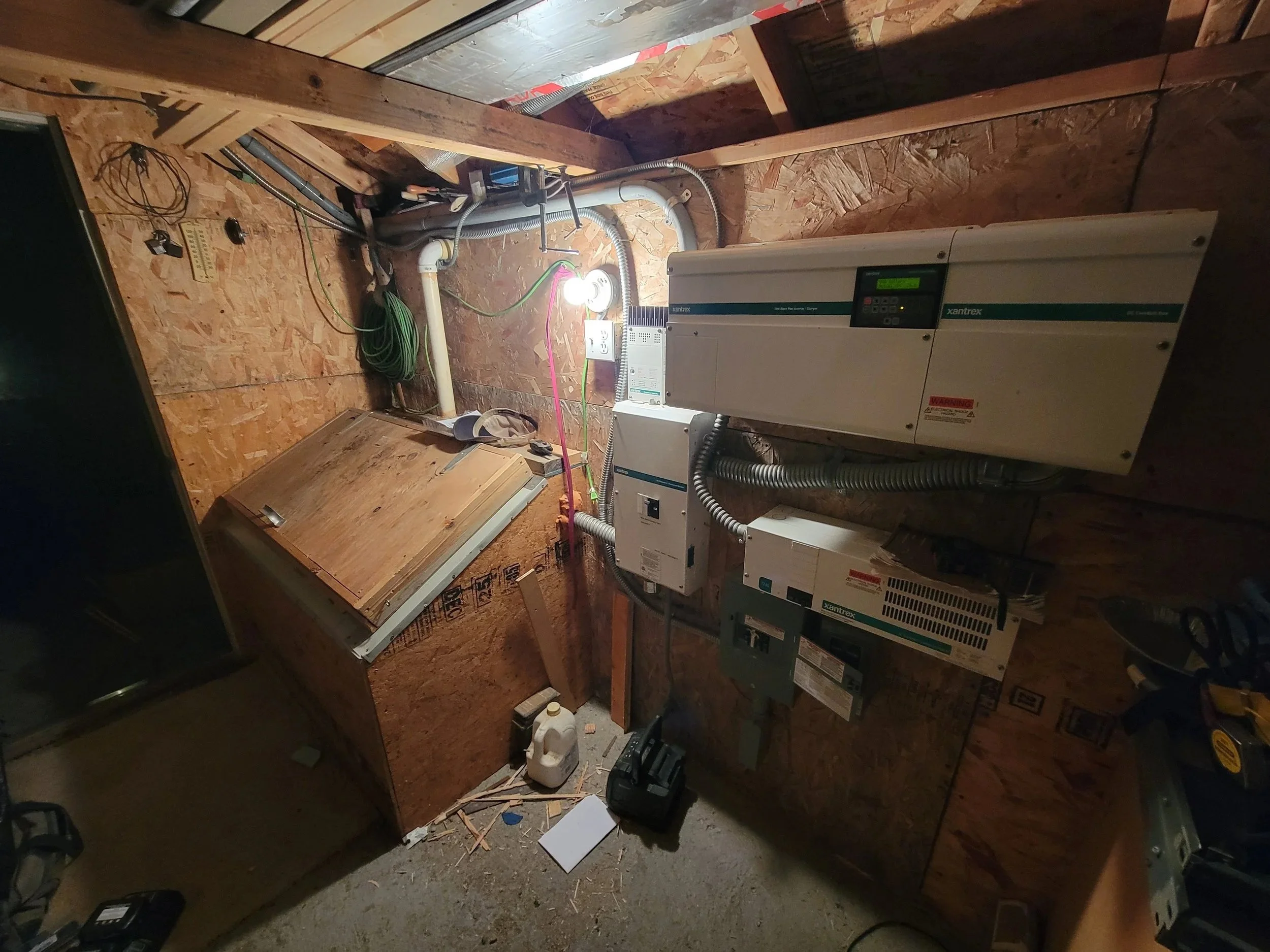
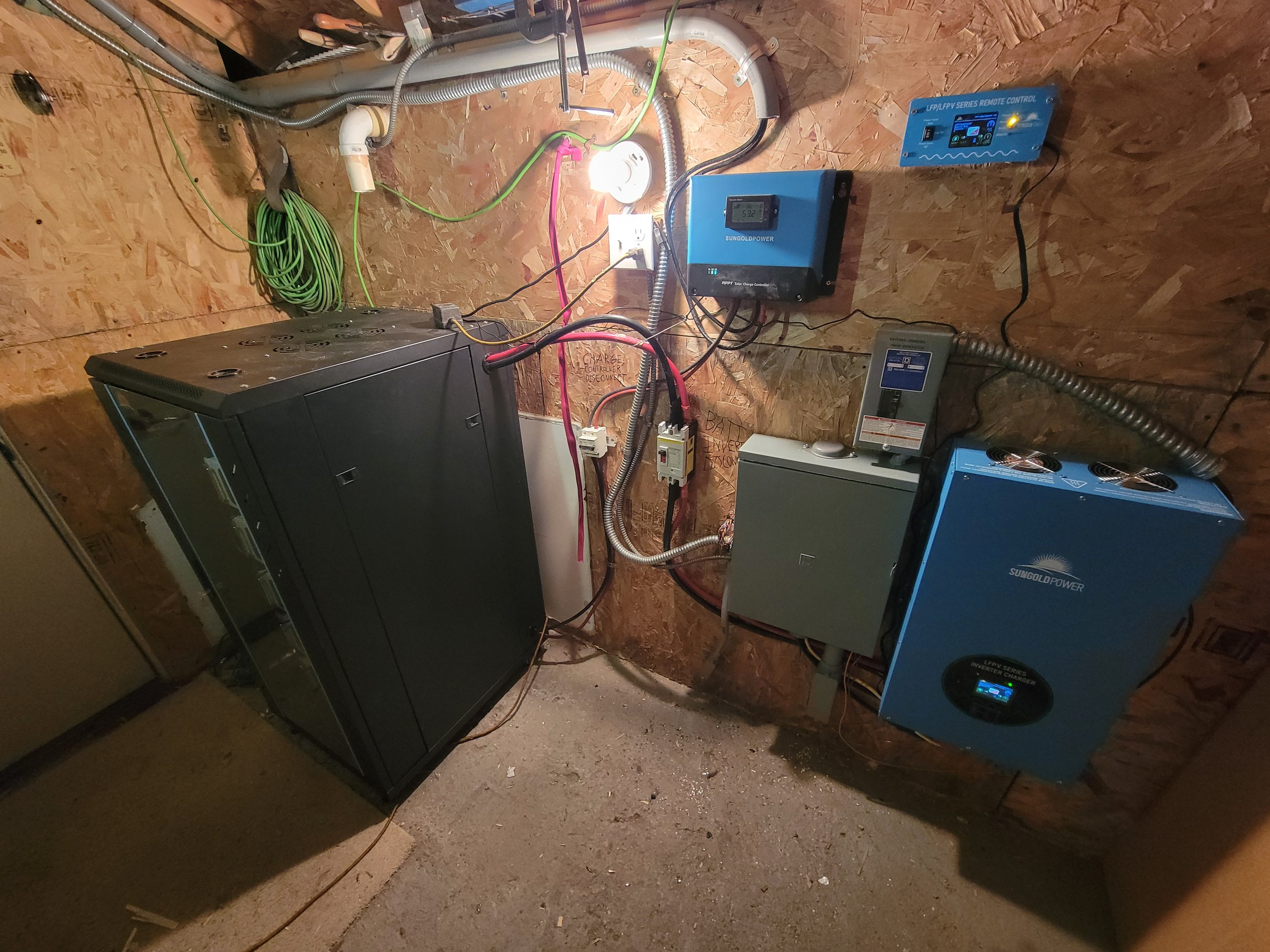
Custom Designed, Turn-Key, Pre-Assembled Solar Grids
We offer Custom Designed Turn-Key Pre-Assembled Solar Grids that arrive ready for installation. No guesswork. No compatibility issues. No wondering if you bought the right components.
Every system is:
Custom designed for your specific needs and property
Pre-assembled to save installation time and reduce errors
Turn-key ready so you can start living off-grid faster
Built to expand as your life and dreams grow
The Bottom Line: Freedom Requires the Right Foundation
Off-grid living represents true energy independence and self-reliance—core American values worth protecting. But that freedom doesn't come from rushing into a poorly planned system or working with companies that don't understand your mission.
Whether you're starting with raw land, upgrading an existing property in Arizona, Nevada, or Colorado, the key is getting it right the first time—with a partner who treats you like family.
That's why Carly and I personally work with every customer. No cookie-cutter solutions. No call centers. Just Steve, a 25th Infantry combat veteran who believes in your right to energy independence, Carly, and our trusted companions Ghost and Phantom—building something that'll power your freedom for decades.
Ready to Plan Your Off-Grid System the Right Way?
If you're tired of relying on utility companies and government systems, let's talk. We offer:
Free Consultations to assess your property and energy needs
Custom Solar Grid Design tailored to your 5-year vision
Turn-Key Pre-Assembled Solar Grids ready for installation
DIY Kits & Components shipped nationwide through our Solar Store
When you work with us, you get my personal cell phone number. If there's ever a problem, you call me—and I'll come.
Steve Ulman is a 25th Infantry combat veteran and owner of Arizona Off-Grid Solutions. Along with his fiancé Carly and their dogs Ghost and Phantom, Steve lives off-grid in Northwest Arizona, designing and installing custom solar systems across Arizona, Nevada, and Colorado.